Conservation Easements protect land while allowing the landowner to keep the title and use of the land… a true “win-win” for everyone! They benefit landowners, the land itself, and our community. We often hear questions about how these easements work, so we’re sharing some of the most frequently asked ones here.
Q: What is a Conservation Easement, anyway?
A: Donating or selling property to a land trust is not always the best approach for conservation, and it definitely isn’t the only approach! For lands that require involved management, or in cases where the landowner desires to continue to live or work on the land, Conservation Easements are an effective, time-tested tool.
A Conservation Easement is a voluntary legal agreement between a landowner and a land trust that forever limits a property’s uses in order to preserve its “conservation values” (which could include scenic open space, wildlife habitat, water quality, agriculture, recreation, etc.). Conservation Easements are permanent agreements, recorded by the County on the deed of title to the land. Any future landowners will also be bound by the same terms and conditions.
Q: How does a conservation easement work?
A: Conservation Easements keep land in private ownership. When you own land, you also own many rights associated with it, such as the rights to farm, graze, harvest timber, and build structures. When you donate or sell a Conservation Easement to a land trust, you voluntarily give up some of those rights. For example, you might give up the right to build additional residences while retaining the right to grow crops. In this case, your land would be protected as farmland forever — it could not be turned into a subdivision in the future.
Designing an easement is a collaborative process between the landowner and the land trust, fully “personalized” to fit the situation. Each of Placer Land Trust’s Conservation Easements, including Agricultural Conservation Easements, is negotiated to meet the specific needs and desires of the landowner.
Q: What is the difference between a “regular” Conservation Easement and an Agricultural Conservation Easement?
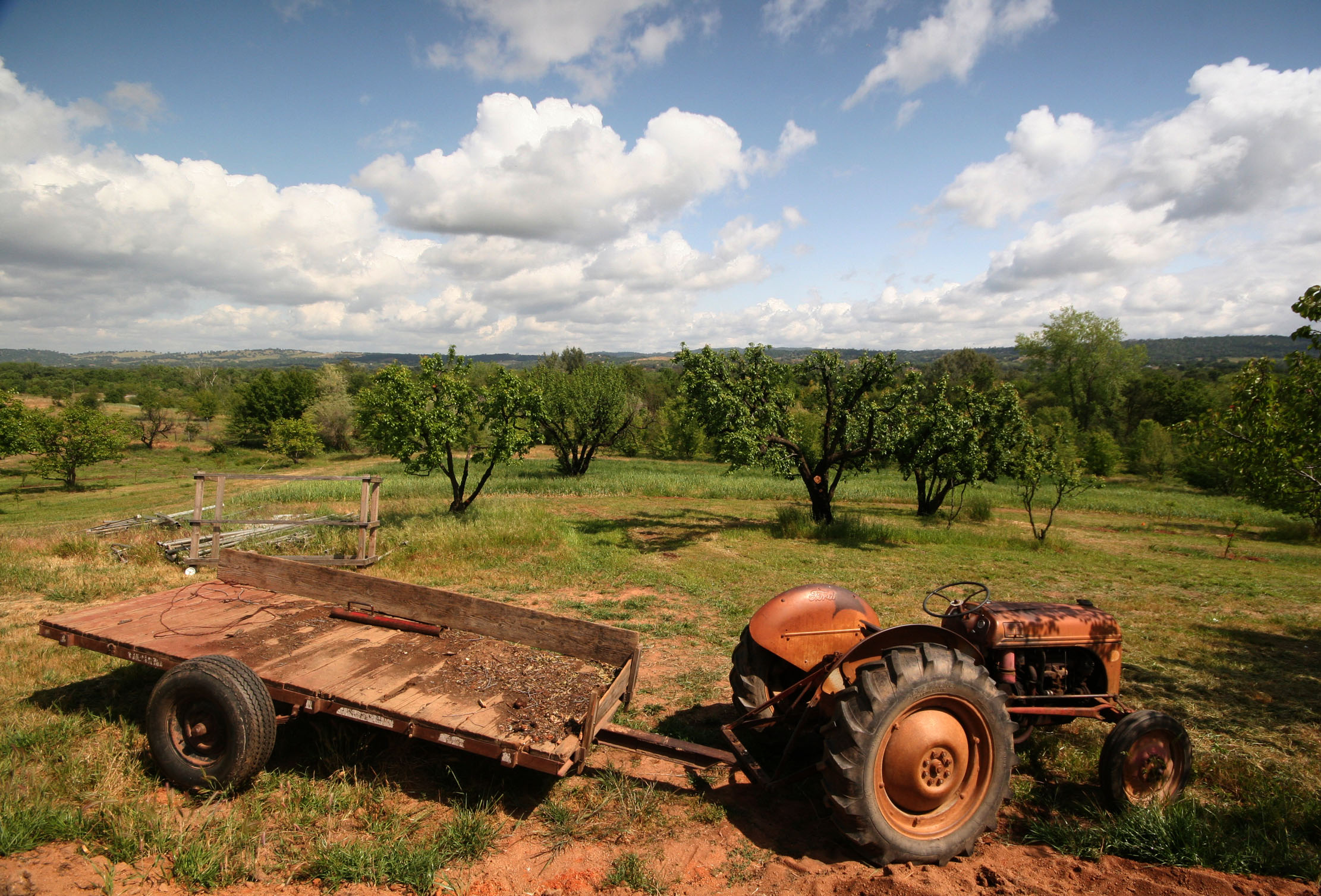
A: An Agricultural Conservation Easement is simply a specialized type of Conservation Easement that includes conservation of agricultural land as part of its main purpose.
Q: What are the tax benefits?
A: There are tax benefits to donating an easement to a nonprofit land trust like PLT. A qualifying farmer or rancher may also deduct federal income tax up to 100% of their annual income each year for up to 15 years. A non-farmer or rancher may deduct federal income tax up to 50% of their annual income each year for up to five years. (If you are interested in placing an easement on your land, we strongly recommend you consult with a tax advisor about the potential tax benefits.)
Q: But I heard that landowners who protect their land don’t have to pay property tax…
A: Sometimes people assume that a conservation easement means that the landowner does not pay taxes on their land. This is not true, but a different type of conservation program, the Williamson Act, does lower property taxes significantly.
The California Land Conservation Act of 1965, also known as the Williamson Act, is a state law that encourages the preservation of agricultural and open space land in California through property tax relief. Landowners who voluntarily enter into contracts with local governments to restrict their land to agricultural or open space uses receive lower property tax assessments. This contract is automatically renewed for a period of 10 to 20 years.
Conservation easements, on the other hand, are permanent – they run with the deed of the land and are binding on future successors, owners, or heirs. Placer Land Trust works directly with landowners to place Agricultural Conservation Easements on land. At this time, Placer County does not reduce property taxes when a conservation easement is placed on the property.
Q: How can I learn more about protecting my land?
A: Visit our landowner info page here, or contact us by email or (530) 887-9222. We welcome your questions!